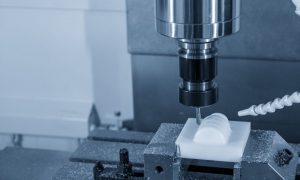
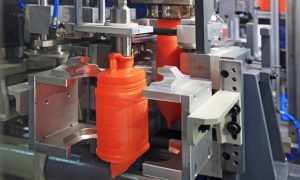
CNC machining is a versatile manufacturing process widely used to create both metal and plastic components with high precision and accuracy. However, the two materials require different machining approaches due to their unique properties. Understanding the key differences between metal and plastic CNC machining can help manufacturers optimize their choices based on performance requirements, application needs, and cost considerations.
Material Properties and Durability
One of the primary distinctions between metal and plastic CNC machining lies in the physical properties of the materials. Metals such as aluminum, steel, and titanium are known for their strength and durability. These features make them ideal for applications requiring high structural integrity and load-bearing capabilities, such as automotive or aerospace parts.
In contrast, plastics such as ABS, nylon, and PEEK are lightweight and naturally resistant to corrosion. While they don’t offer the same mechanical strength as metals, they excel in applications that demand chemical resistance, low friction, or electrical insulation. This includes medical devices, fluid handling systems, and electronic components.
For example, a manufacturer producing surgical tools may choose PEEK for its biocompatibility and sterilization tolerance. On the other hand, an automotive supplier might opt for machined aluminum brackets to ensure long-term structural support under high stress.
Machining Techniques and Tool Wear
The machining process varies significantly between metal and plastic because they differ in hardness and melting points. Metals, which are harder and more heat-resistant, require robust cutting tools and slower machining speeds to maintain precision and extend tool life. Conversely, plastics are softer and can be machined at higher speeds with less tool wear.
However, manufacturers must account for plastic’s sensitivity to heat, which can cause warping or melting during the process. For instance, cooling techniques and lower feed rates are often necessary for CNC plastic machining to ensure accuracy without damaging the material.
Precision and Surface Finishes
Both materials can achieve tight tolerances, but the approach to attaining precision differs. Metals generally maintain better dimensional stability during machining due to their rigidity, while plastics can expand or contract depending on temperature fluctuations.
This means additional attention is required to account for thermal expansion in plastic parts. Surface finish is another area of distinction. Metal surfaces are typically polished to achieve smooth finishes, whereas plastics may require different post-processing, such as sanding or chemical treatments, to achieve the desired outcome.
Costs and Lead Times
Cost efficiency is often a key factor in determining whether to choose metal or plastic for CNC machining. Metal materials, particularly exotic alloys, can be more expensive than plastics. Additionally, machining metals often results in higher tool wear and increased energy consumption, which further contributes to overall production costs.
Plastics are generally more affordable and quicker to machine, making them a cost-effective choice for prototypes and low-stress components. However, high-performance plastics may inflate costs, requiring careful consideration of the intended application.
Understanding whether to use metal or plastic in CNC machining depends on the specific needs of your application. From the durable, load-bearing qualities of metal to the lightweight, versatile advantages of plastics, each material offers unique benefits. By selecting the appropriate material and optimizing machining techniques, manufacturers can achieve superior results tailored to their project goals.